How to Get More Google Reviews Organically? (2026 Guide): Proven Strategies That Actually Work
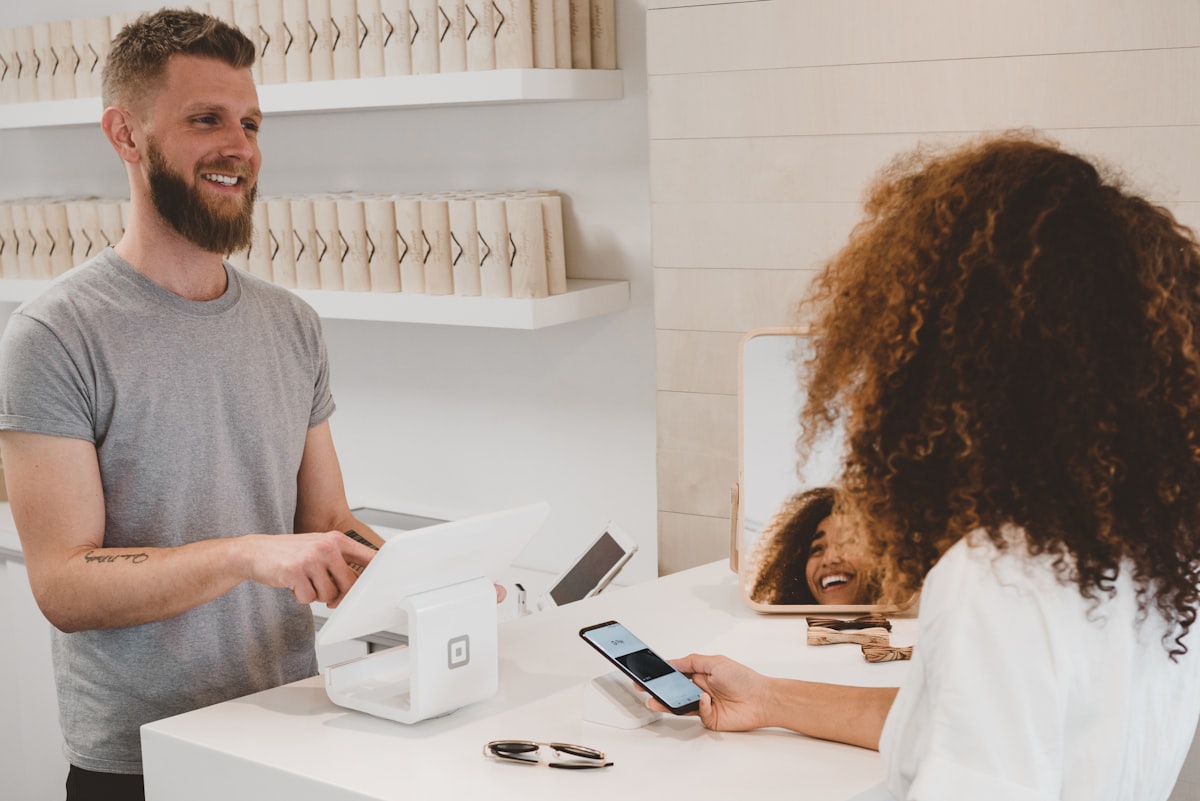
How to Get More Google Reviews Organically — A complete 2026 guide with proven strategies, templates, and tools
You've heard it a thousand times: "Google reviews are important for your business." But knowing they're important and knowing how to actually get more of them—organically, without begging, bribing, or breaking Google's rules—are two very different things.
I've spent years helping local businesses turn their review game around, and I can tell you this: the businesses that consistently get more Google reviews aren't lucky. They have a system. And in this guide, I'm going to walk you through every piece of that system.
Whether you're a plumber in Lahore, a café owner in London, or a real estate agent in Sydney, these strategies work. They're ethical, they're effective, and they're built on the real-world experience of helping businesses just like yours get more reviews.
Let's dive in.
Why Do Google Reviews Matter More Than Ever?
Here's the thing about Google reviews: they're not just about reputation anymore. They're about survival.
That means if your average rating dips below 4.0, you're effectively turning away nearly 9 out of 10 potential customers before they even walk through your door.
But it's not just about the star rating. Reviews influence:
- Local Search Rankings – Google uses reviews as a key signal for local pack placement. More reviews, higher ratings, and consistent review velocity all contribute to better visibility.
- Consumer Trust – Nearly 80% of people trust online reviews as much as personal recommendations.
- Click-Through Rates – Businesses with 10+ reviews see up to 20% more clicks on their profiles.
- Purchase Decisions – Half of consumers say reviews influence their buying decisions.
In short: more reviews = more visibility = more customers. Simple as that.
How Do Google Reviews Affect Google Maps Rankings?
Google has never come right out and said, "Reviews are a ranking factor." But the evidence is overwhelming. A massive Yext study of 8.7 million Google search results found that review engagement is the most consistent driver of Local Pack visibility across all industries.
Here's what Google looks at when deciding where to rank your business:
| Signal | Impact |
|---|---|
| Review Count | More reviews = stronger prominence signal |
| Review Velocity | A steady flow of new reviews signals an active, relevant business |
| Average Rating | Higher ratings generally rank better, but 4.5+ is the sweet spot |
| Review Keywords | Customer language in reviews helps Google understand your relevance |
| Owner Responses | Prompt responses to reviews correlate with higher rankings |
And here's something most business owners don't realise: the keywords your customers use in reviews matter. When a customer says "Same day iPhone repair" in a review, Google might use that exact phrase to justify showing your business for that search. That's why getting keyword-rich reviews is so valuable.
Do Google Reviews Directly Improve Rankings?
Short answer: yes, but indirectly.
Google doesn't have a "review score" that it plugs directly into its algorithm. Instead, reviews contribute to something Google calls prominence, which is one of the three pillars of local search (along with proximity and relevance).
Think of it this way: if two businesses are equally close to the searcher and equally relevant to their query, Google will show the one with more, better, and more recent reviews. The thinking is simple: if lots of people have had great experiences at your business, you're probably a safe bet.
Review responses also matter. Google has confirmed that responding to reviews shows engagement, which signals that you're an active, customer-focused business. And the Yext study found that businesses who respond to reviews tend to outperform those who don't.
How Many Reviews Do You Really Need?
"How many reviews do I need to beat my competitors?"
This is the question I hear most often. And the honest answer is: it depends on your industry and location.
A Yext study showed that local SEO factors vary significantly by industry and region. For example:
- Food & Dining: Recent, highly-rated reviews matter more than total volume.
- Hospitality: Quality over quantity—curated photos and descriptions matter more than a flood of reviews.
Pro Tip: Look at your top three competitors in the local pack. Count their reviews. Your goal should be to have more reviews than the average of those three, and to maintain a higher average rating. Aim for 50-100 reviews with a 4.5+ average as a baseline. But more important than total count is review velocity—getting 5-10 new reviews per month is better than 100 old reviews with no recent activity.
What Are Google's Official Review Policies?
Before we dive into strategies, let's get one thing crystal clear: you cannot pay for reviews. Google's policies are strict on this point.
You CAN ask customers for reviews.
You CANNOT offer incentives (discounts, freebies, payments) in exchange for reviews.
Google's guidelines state: "Don't offer or accept money, products, or services to write reviews for a business or to write negative reviews about a competitor."
Violating these policies can result in:
- Removal of reviews
- Suspension of your Google Business Profile
- Permanent ban from Google's platforms
The takeaway: Build a system that generates honest, organic reviews. No shortcuts.
How to Ask Customers for Reviews Without Breaking Google's Rules?
This is where most business owners get stuck. How do you ask for reviews without being pushy or breaking the rules?
The answer is simpler than you think: ask everyone, ask often, and make it easy.
What Is the Best Time to Ask for Reviews?
Timing is everything. Ask too early, and the experience hasn't sunk in. Ask too late, and they've forgotten the details.
| Touchpoint | Best Time to Ask |
|---|---|
| In-person service | Immediately after service delivery, before they leave |
| Retail purchase | At checkout, after a positive interaction |
| Email request | 24-48 hours after service/delivery |
| SMS request | 1-3 hours after service, or next day |
| Event or appointment | Within 24 hours of completion |
The golden rule: Ask when the customer is happiest. That's right after you've delivered value and they're feeling good about their decision to choose you.
How to Ask In Person?
The in-person ask is the most powerful method—by far.
Expert Insight: "The in-person ask at the point of sale will by far outperform every follow-up email, text message, or automated prompt you try." — Julian Hooks, SEO Director at Asurion
Here's why it works: customers are much more likely to leave a review if they feel they're helping a person, not a corporation.
The Script:
"I hope you had a great experience. It would be great for my career and my job here if you could leave me a review. Please just mention what I did for you or what I fixed for you."
Notice what this does:
- It makes the request personal ("my career")
- It's specific ("mention what I did for you")
- It encourages keyword-rich content ("what I fixed")
Alternative scripts:
- "We're so glad you enjoyed your meal! If you have a moment, we'd love it if you could share your experience on Google."
- "Thanks for coming in! If you found our service helpful, a quick Google review would mean the world to us."
How to Ask Through SMS?
Text messages have an incredibly high open rate (over 90%). They're also personal without being invasive.
Template:
Hi [Name]! Thanks for visiting [Business Name] today. We'd love to hear about your experience — would you mind leaving us a quick Google review? Here's the link: [short review link]
Pro Tips:
- Keep it under 160 characters
- Include a direct link
- Send within 1-3 hours of service
- Use a shortened link (bit.ly or similar)
How to Ask Through Email?
Email gives you more space to craft your message, but keep it concise.
Subject line: Thanks for visiting [Business Name] — we'd love your feedback!
Body:
Hi [Name],


            Thanks again for choosing [Business Name]! We hope everything was perfect.


            If you have a moment, we'd really appreciate it if you could share your experience on Google. Your feedback helps us improve and lets other customers discover us.


            [Button or link: Leave a Review]


            Thanks for your support!

            The [Business Name] Team
Pro Tips:
- Personalise the subject line
- Include the customer's name
- Make the CTA button clear
- Send 24-48 hours after service
How to Ask Through WhatsApp?
WhatsApp is especially effective in markets like Pakistan, India, and Latin America where it's the primary messaging platform.
Template:
Hi [Name]! 👋

            Thanks for choosing [Business Name]! We hope you loved your experience.

            If you enjoyed our service, we'd be so grateful if you could leave us a quick Google review. It only takes a minute and it helps us serve you better.

            Here's the link: [review link]

            Thanks! 🙏
Pro Tips:
- Use a friendly, conversational tone
- Include an emoji or two (but not too many)
- Make it feel personal, not automated
How to Use QR Codes to Collect Reviews?
QR codes are fantastic because they bridge the gap between offline and online. A customer can scan a code on a receipt, a sign, or a card and be taken directly to your review form.
How to generate your QR code:
- Sign in to your Google Business Profile
- Go to "Read Reviews" → "Get more reviews"
- Right-click the QR code and save it
Where to display QR codes:
- Receipts
- Table tents (restaurants)
- Counter signage
- Business cards
- Packaging
- Loyalty cards
Pro Tip: Place QR codes at high-traffic exit points where customers have just finished their transaction and are feeling positive about their experience.
How to Use NFC Review Cards?
NFC (Near Field Communication) cards take the QR code concept a step further. Customers tap their phone against the card, and it opens your review page automatically—no scanning required.
Why use NFC cards?
- Faster than scanning
- Works in low light
- Feels more premium and tech-forward
How to use NFC cards:
- Program the card with your Google review link
- Place cards on tables, counters, or hand them to customers
- Staff mention: "Tap your phone here to leave a review"
NFC vs QR Code:
| Feature | NFC Card | QR Code |
|---|---|---|
| Friction | Tap and go | Scan and go |
| Cost | Higher (₹200-500 per card) | Free (print yourself) |
| Compatibility | Works on NFC-enabled phones | Works on all smartphones |
| Best for | High-end service businesses | All businesses |
What Is a Google Review Funnel and How to Create One?
A review funnel is a systematic way to guide customers from the point of satisfaction to leaving a review. Here's a step-by-step funnel you can implement immediately:
Step 1: Identify Your Happy Customers
Not every customer is a good candidate for a review. Focus on:
- Customers who just had a positive interaction
- Customers who complimented you or your team
- Customers who returned or reordered
- Customers who referred others
Step 2: Ask at the Right Moment
Use the timing guidelines we covered above.
Step 3: Make It Easy
Provide a direct link. Use a QR code. Send a text. The fewer steps, the better.
Step 4: Follow Up
Didn't hear back? Send a gentle reminder after 3-5 days.
Sample follow-up:
Hi [Name], just a quick reminder — we'd still love to hear about your experience at [Business Name]. If you have a moment, a Google review would mean the world to us! [link]
Step 5: Thank and Respond
When you get a review (positive or negative), respond within 24 hours. This encourages future customers to review as well.
How to Get More Reviews From Happy Customers?
Satisfied customers want to help. They just need a nudge. Here are seven ways to gently encourage them:
How to Handle Negative Reviews?
Negative reviews sting. But they're also an opportunity to show how professional and customer-focused you really are.
Step 1: Stay Calm
Take a breath. Don't respond immediately. Let the emotion pass.
Step 2: Acknowledge and Apologise
Even if you think the customer is wrong, acknowledge their feelings.
Example: "We're so sorry you had a bad experience, Sarah. We always aim to do better."
Step 3: Take It Offline
Offer to resolve the issue privately.
Example: "We'd really like to make this right. Could you please email us at support@yourbusiness.com?"
Step 4: Move On
Don't argue. Don't defend. Just offer a solution and move the conversation offline.
Why this works:
- Future customers see you're professional and care
- It diffuses the situation
- It prevents a public argument
What to say for different types of negative reviews?
| Review Type | Response Strategy |
|---|---|
| Valid complaint | Apologise, take responsibility, offer a solution |
| Misunderstanding | Clarify politely, offer to discuss offline |
| Emotional/rude | Acknowledge feelings, don't take it personally, offer to make it right |
| Fake or spam | Flag it with Google; respond professionally once |
How to Respond to Positive Reviews?
Positive reviews are free marketing. A good response can turn a one-time reviewer into a repeat customer.
The Formula:
- Thank them by name — "Thanks so much, Sarah!"
- Reference something specific — "We loved that you enjoyed our new dessert!"
- Invite them back — "Can't wait to see you again!"
Examples:
Good response:
"Thanks so much, Sarah! We're thrilled you loved the new seasonal pasta — it's one of our favourites too. Can't wait to have you back!"
Better response:
"Sarah, thank you for this incredible review! We loved having you at the restaurant and hearing that our team made your evening special. See you again soon!"
Why it works:
- Personalised and specific
- Shows genuine appreciation
- Makes the reviewer feel valued
How to Respond to Fake Reviews?
Yes, fake reviews exist. Competitors might leave negative fake reviews. People might leave fake positive reviews for their own businesses (which is against Google's policy).
For Fake Negative Reviews:
- Don't engage – Respond politely once, without accusing anyone.
- Flag the review – Use Google's reporting tool to flag it as "fake" or "spam."
- Document everything – Screenshot the review and your flagging.
For Fake Positive Reviews:
- Don't respond – You can't verify the reviewer's experience.
- Don't thank them – It could be seen as encouraging fake reviews.
- Flag if suspicious – Google can investigate.
What Are the Common Google Review Mistakes to Avoid?
Avoid these costly mistakes:
| Mistake | Why It's Bad | What to Do Instead |
|---|---|---|
| Offering incentives | Violates Google policies; can get your profile suspended | Ask politely without rewards |
| Only asking happy customers | Unnatural patterns; Google may flag "review gating" | Ask every customer |
| Ignoring negative reviews | Signals you don't care | Respond to every review |
| Copy-pasting responses | Looks inauthentic | Personalise every response |
| Buying reviews | 100% guaranteed to backfire | Build a genuine review system |
| Asking in bulk | Sudden spikes trigger fraud detection | Build a steady flow |
What Are the Google Review Management Best Practices?
Here's a comprehensive checklist of best practices for managing your Google reviews effectively:
Monthly Review Audit
- Export your reviews from Google, Yelp, and Facebook
- Analyse top 3 recurring positive and negative themes
- Identify high-impact keywords customers are using
- Respond to any unanswered reviews
Review Generation Schedule
- Weekly: Post a review reminder on social media
- Daily: Review requests at point of sale
- Monthly: Review link in email newsletter
- Quarterly: Review audit to improve processes
Response Standards
- Respond within 24 hours
- Personalise every response
- Address negative reviews within 12 hours
- Flag fake reviews immediately
What Are the Advanced Review Generation Strategies?
1. Use the "What Did We Fix For You?" Question
Instead of asking, "What could we have done better?" (which encourages negative feedback), ask, "What did we fix for you today?" or "How did we help you today?"
- Why this works: It encourages customers to talk about the service you provided
- It naturally includes keywords you want to rank for
2. Use Automation Tools Wisely
Automation can help you scale without losing the personal touch.
| Tool | Best For | Starting Price |
|---|---|---|
| BrightLocal | Local SEO agencies | ~$39/mo |
| Podium | High-volume businesses | ~$249/mo |
| Birdeye | Multi-location brands | ~$299/mo |
| Google Business Profile | Everyone | Free |
| GatherUp | Small businesses | ~$60/mo |
3. Leverage Google's Built-in Review Features
Google has made it easier than ever to get reviews. The updated reviews module allows you to:
- Get more reviews through improved request mechanisms
- Reply faster directly from the modal
- Stay organised with unanswered vs. answered reviews
- Sort reviews by rating or date
Pro Tip: In the Google Pay for Business app, you can request reviews directly from your profile and share the link via social media or messaging apps.
What Are the Local SEO Benefits of a Strong Review Strategy?
Reviews aren't just about reputation—they're a powerful local SEO asset:
- Better Local Pack Rankings – Review signals are consistently among the most influential factors.
- More Keywords in Your Profile – Customer language in reviews expands your relevance.
- Higher Click-Through Rates – Star ratings visible in search results attract more clicks.
- Improved Credibility Signals – Google sees a steady flow of new reviews as a sign of an active, trustworthy business.
- Social Proof That Converts – Reviews are the most persuasive marketing content you'll ever have—because you didn't write them.
Case Study: How Did a Manchester Bistro Get More Reviews?
The Business: A Manchester bistro with a 4.0-star rating and 30 reviews, struggling to compete with nearby restaurants with 100+ reviews.
The Strategy:
- Refreshed their décor and improved service
- Trained staff to ask for reviews at the point of sale
- Added QR codes to receipts and table tents
- Began responding to every review within 24 hours
- Sent follow-up emails to customers within 48 hours
The Results (3 Months Later):
- Rating improved from 4.0 to 4.5 stars
- Review volume increased by 50%
- Weekend bookings spiked
- New customers specifically mentioned Google reviews as the reason they chose them
Why It Worked:
- Consistent quality set the stage
- Multiple touchpoints for review requests
- Staff were empowered to ask naturally
- Fast responses showed they cared
Checklist: How to Get More Google Reviews
Week 1: Foundation
Week 2: Build the System
Week 3: Start Asking
Ongoing (Weekly)
Monthly
What Are the Common Mistakes to Avoid in Google Review Management?
- Buying reviews – Google's AI will catch you. It's not worth it.
- Offering incentives – Unless you want your profile suspended.
- Only asking happy customers – Review gating violates Google's policies.
- Not responding to negative reviews – It signals you don't care.
- Ignoring review trends – Your reviews reveal operational issues and opportunities.
- Copy-pasting responses – Customers notice generic replies.
- Asking for reviews at the wrong time – Timing is critical to success.
- Not using review data to improve – Your reviews are a goldmine of customer insight.
Expert Tips: Proven by Experience
"The in-person ask at the point of sale will by far outperform every follow-up email, text message, or automated prompt you try."
— Julian Hooks, SEO Director at Asurion
"Think of a negative review not as criticism, but as a valuable gift for improvement that should not go underutilized."
— Julian Hooks
"The one-size-fits-all approach seems to be a relic of the past. Review management is the baseline to get right."
— Yext Study Conclusion
What Are the Future Trends in Google Reviews?
1. AI Will Play a Bigger Role
Google is already using AI to summarise reviews and identify patterns. In the future, review analysis will become even more automated, making it even more critical to have a steady flow of authentic, keyword-rich reviews.
2. Multi-Platform Review Management is Growing
Google isn't the only platform that matters anymore. As AI search tools like ChatGPT and Perplexity pull data from multiple platforms, your reviews on Yelp, Facebook, and industry-specific sites will matter more than ever.
3. Transparency is Everything
Businesses that try to game the system will be penalised. The future of reviews is authenticity. There's no shortcut to a strong reputation.
4. Review Response Will Become a Ranking Signal
Already, businesses that respond promptly to reviews tend to rank higher. This trend will only grow.
Conclusion: How to Get More Google Reviews Organically?
Getting more Google reviews organically isn't about luck or trickery. It's about building a system: delivering a great experience, asking at the right time, making it easy for customers, and responding to every review you receive.
The strategies in this guide work—whether you're a restaurant, a service provider, a retailer, or an agency. Start small. Pick one or two tactics to implement this week. Build momentum. And watch your reviews—and your business—grow.
One final thought: Your customers want to help. They just need a gentle nudge. Give them that nudge, and you'll be amazed at how many wonderful reviews start flowing in.
Frequently Asked Questions
Can I ask customers to leave Google reviews?
Yes. Google explicitly allows and encourages businesses to ask for reviews. You can ask in person, by email, SMS, WhatsApp, or through your website. You cannot offer incentives or selectively ask only happy customers.
How do I get a direct link to my Google review page?
Sign in to your Google Business Profile, go to "Read Reviews," then click "Get more reviews." Copy the link provided. You can shorten it using Bitly or TinyURL.
Should I respond to every Google review?
Absolutely. Responding to every review (positive and negative) shows potential customers that you're engaged and care about feedback. Google has confirmed that review responses are a factor in local search rankings. Aim for a 100% response rate within 24 hours.
Can I get in trouble for asking for reviews?
No, as long as you follow Google's guidelines. You can ask customers to leave a review, but you cannot offer incentives (discounts, gifts, or payments) in exchange, nor can you specify that you only want positive reviews.
What should I do if I get a negative Google review?
Stay calm, acknowledge the customer's concerns, apologise if appropriate, and offer to resolve the issue privately. Don't argue or defend. Respond professionally within 24 hours. Negative reviews are also an opportunity to identify and fix operational gaps.
How can I get more Google reviews without offering incentives?
Focus on providing an excellent experience, making the review process easy (direct links, QR codes), training your staff to ask in person, and using email, SMS, and social media to request reviews. The in-person ask at point of sale is consistently the most effective method.
How many Google reviews does my business need?
There's no magic number, but aim to have more reviews than your top 3 competitors. For most markets, 50-100 reviews with a 4.5+ average is a strong baseline. More important than total count is a consistent flow of new reviews (5-10 per month).
Can I remove a negative Google review?
You can flag reviews that violate Google's policies (spam, fake reviews, off-topic content, conflicts of interest). Google may remove them. You cannot remove legitimate negative reviews simply because you disagree with them. Your best option is to respond professionally and generate enough positive reviews to push negative ones down.
How do reviews affect my Google Maps ranking?
Reviews impact Google Maps ranking through multiple signals: review count, average rating, review velocity (how many new reviews you get), keyword mentions in review text, and owner responses. Businesses with active review management rank an average of 4+ positions higher in the local pack.
What's the best way to ask for reviews?
The in-person ask at the point of sale is the most effective method. Customers are much more likely to leave a review if they feel they're helping a person, not a corporation. The ask should be personal and specific. Follow up with email or SMS requests.
Can I use QR codes to get Google reviews?
Yes. QR codes are highly effective because they reduce friction—customers scan and go directly to your review page. Place QR codes on receipts, table tents, counter signs, business cards, and packaging. Google Business Profile lets you generate a QR code directly.
How quickly should I respond to reviews?
For positive reviews: within 24 hours. For negative reviews: within 12 hours. The faster you respond, the better. Quick responses signal to both customers and Google that you're engaged and customer-focused. Some experts recommend responding to 1-star reviews within 4 hours.
Ready to Build Your Review System?
Ranking Matters helps local businesses like yours build systematic review generation strategies that drive real results. From Google Business Profile optimisation to full local SEO management, we've got you covered.
Don't let a lack of reviews hold your business back.
Internal Links: Looking for more ways to optimise your online presence? Check out these related articles:
Image Suggestion: Add a screenshot of a Google Business Profile with a high rating and multiple reviews, showing the impact of a strong review strategy.
Filename: google-business-profile-reviews-example.jpg